FREE NHS EYE TESTS CARING FOR YOUR EYES


WHAT IS AN NHS EYE TEST?
Eye Emporium has been a proud NHS provider since we opened our doors in 1982. It's a partnership rooted in a simple belief — that expert, individual eye care should be available to everyone.
An NHS eye test is a full examination of your eyes — checking your vision, prescription, and eye health. We screen for conditions like glaucoma, cataracts, and macular degeneration, as well as early signs of diabetes and high blood pressure.
If you're eligible, the NHS covers the cost of the test entirely. You won't pay anything for the examination itself
Eye emporium in numbers
-
 1M+eyes cared for
 -
 5.0Trustpilot score
 -
 16average years experience of our optometrists
 -
 42years and still family run
 -
 15stores, same personal service


WHAT MAKES OUR NHS EYE TESTS DIFFERENT
-
 Your eye healthGlaucoma, cataracts & macular degeneration
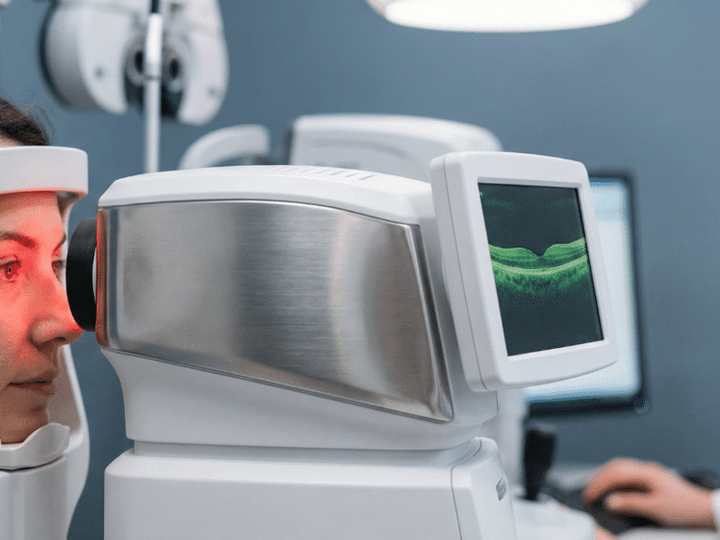
We use the latest diagnostic equipment including OCT scans to screen for conditions early — when treatment makes the biggest difference.
-
 Your general healthDiabetes, blood pressure & cholesterol
Your eyes can reveal early signs of wider health conditions. It's one of the most thorough health checks you didn't know you were getting.
-
 Digital eye strainHeadaches, tiredness & trouble focusing
We assess how screens and daily life are affecting your eyes and give you a clear plan to manage it.
-
 Your prescriptionAccurate, unhurried & precisely right for you
We take the time to get it spot on. Even the smallest tweak can make a big difference to your comfort and clarity.


Who qualifies for a free nhs eye test?
Children Under 16
All children under 16 are entitled to a free NHS eye test. Early detection of conditions like lazy eye, short-sightedness, and squints can make a real difference to learning and development. Eye tests are recommended for children every 6 months to 1 year
Students aged 16-18 in full-time education
If you're 16–18 and in full-time education, you're covered too. Great vision supports great learning — don't put it off. Eye tests are recommended every 1-2 years.
Over 60s
Everyone aged 60 or over qualifies for a free NHS eye test. Regular checks become even more important as we age, helping to catch conditions early. Eye tests are recommended every 1-2 years.
Glaucoma Risk
If you're aged 40 or over with a direct family member diagnosed with glaucoma, or if you have glaucoma yourself, you're entitled to free NHS testing every year.
Diabetes
If you have diabetes - either Type 1 or Type 2, the NHS covers your eye test. Your vision is an important part of managing your overall health.
Income Support
If you or your partner receive Job Seekers allowance, Income Support, Pension Credit, or are eligible for a HC2 or HC3 certificate, you're eligible — and may also qualify for an NHS optical voucher towards glasses or contact lenses.
Complex prescription
If your prescription is particularly strong - higher than +/- 10 dioptres - you qualify for an NHS-funded eye test & contribution to your glasses.
Prisoners or on leave from prison
If you're currently in prison, or on temporary licence or release from prison, you're entitled to a free NHS eye test.

DO I QUALIFY FOR A CONTRIBUTION TOWARDS MY GLASSES FROM THE NHS?
You may be entitled to a contribution if you:
- Are under 16, or under 19 and in full-time education
- Receive Universal Credit, Income Support, Pension Credit (Guarantee Credit), or certain other qualifying benefits
- Hold a valid HC2 or HC3 certificate (for those on a low income)
- Have a complex prescription of +10 dioptres or above, or -10 dioptres or below
- Are registered blind or partially sighted
The value of the voucher will depend on your prescription strength. If your chosen frames or lenses cost more than the voucher value, you can simply top up the difference.
Still Not sure if you qualify? Don't worry — just get in touch with your nearest Eye Emporium store and our team will be happy to talk it through with you before your appointment.


See what's really going on under the hood.
Our OCT scanner captures a detailed, cross-section image of your eye — layer by layer. It gives our optometrists a view that a standard eye test simply can't, picking up the earliest signs of change before you'd ever notice them yourself.
It's especially valuable for age-related and degenerative conditions like macular degeneration, glaucoma, and diabetic eye disease.
We highly recommend this to our patients above the age of 40.

Your eyes weren't built for screens.
The average adult spends over 8 hours a day on screens. 50% of screen users report eye strain. Tiredness, headaches, dry eyes, blurred vision — that's your eyes telling you something.
At Eye Emporium, we identify the impact screens are having on your eyes and help you manage it — with tailored advice and lens solutions that actually make a difference.
USEFUL INFORMATION
How often should you have an eye test?
We recommend that you have an eye test at least every two years. If your optometrist has no concerns about your vision or eye health, adults should have one every two years. Children’s eye tests are recommended every year. But if you are ever concerned about your vision, then just book an appointment and we can take a look.
Some people may be at a higher risk of developing problems with their sight, including:
- Those with a family history of glaucoma
- Those aged 40 or over
- Those aged 60 or over
If you fall into these categories, it’s worth speaking to your optician to find out how often you should have an eye test.
What age should children have their first eye test?
We recommend children have their first eye test at around 3 years old. However, if you notice anything that concerns you before then — such as a squint, or your child struggling to focus — contact your GP as soon as possible rather than waiting. All children under 16 (or under 18 and in full-time education) are entitled to a free NHS eye test.
Will my eyes be dilated and will I be able to drive afterwards?
Not all eye tests require dilation — your optician will let you know if it's needed. If your eyes are dilated, your vision may be blurry and sensitive to light for a few hours afterwards, so we'd recommend arranging alternative transport rather than driving. It's always worth planning ahead just in case.
Do I need to bring anything to my appointment?
Please bring your current glasses or contact lenses if you have them, any relevant medical information (e.g. a list of medications), and proof of eligibility if you're claiming an NHS-funded test (e.g. a benefits letter or HC2/HC3 certificate).
What is the cost of an eye test?
If you're eligible for an NHS eye test, it's free. And if you're booking privately, it will cost £39. If you'd like an OCT Scan, it's an additional £24.
How long does an eye test take?
An eye test typically takes 30 minutes, although this may vary depending on individual circumstances. If you are older or have underlying health conditions, the eye test may take longer to complete.
Can you transfer my records from my last opticians?
Yes, of course! Just let us know the details of your previous optician and we'll contact them directly to request your prescription and any relevant eye health information
What is an NHS optical voucher?
If you qualify, an NHS optical voucher gives you a contribution towards the cost of glasses or contact lenses. The value of the voucher depends on your prescription strength.
Can I top up my NHS voucher?
Yes. If you'd like frames or lenses beyond the voucher value, you can top up the difference. Our team will show you all the options available at your voucher level and beyond.
Is an eye test painful or uncomfortable?
Not at all — an eye test is completely painless. You'll be asked to read letters on a chart, look at lights, and follow some simple instructions. Some people find the puff of air used to check eye pressure mildly startling, but it causes no discomfort
Who doesn't qualify for a free NHS eye test?
If you don't fall into one of the eligible groups, you won't be entitled to an NHS-funded test — but you can still book a private eye test with us. Our private tests offer the same thorough examination and clinical care. If your circumstances change (for example, you reach 60, are diagnosed with diabetes, or start receiving qualifying benefits), you'll become eligible at that point.